We live our lives online. From the moment we wake up and check our emails, to the online transactions we make, the virtual meetings we attend, and the social media footprints we leave behind—our existence is deeply intertwined with the digital world.
But while we readily upgrade our devices and download the latest apps, there is one crucial area where many of us remain outdated: our digital rights.
As an attorney specializing in Cyber Law and Information Technology (IT) regulations, I created this category of the blog to bridge that gap. The laws governing the internet are evolving rapidly, and understanding them is no longer just for tech experts—it is essential for everyone.
What Are "Digital Rights"?
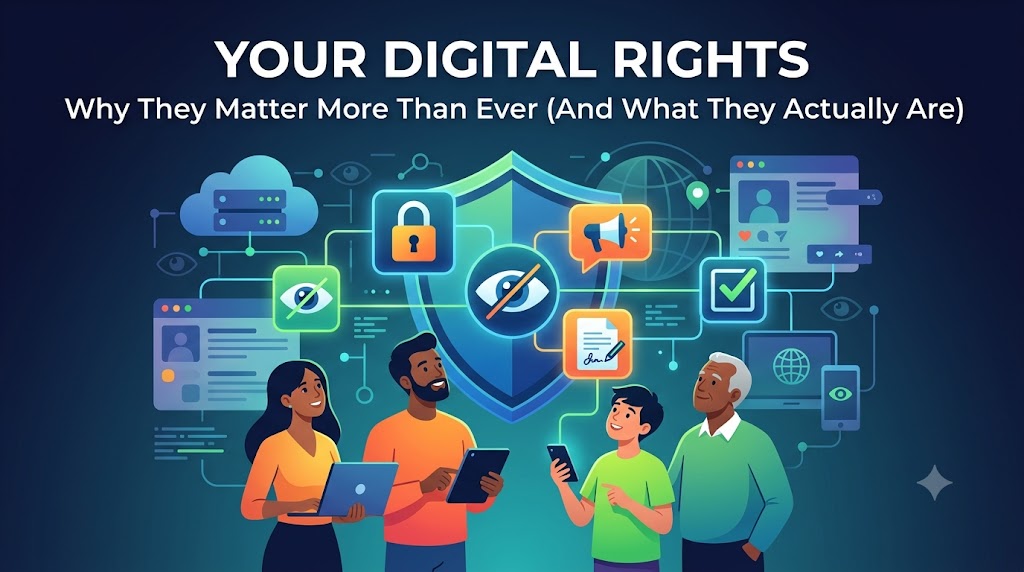
Simply put, digital rights are human rights applied to the digital space. They are the legal frameworks and principles that allow you to access, use, create, and publish digital media, while protecting your privacy and personal safety online.
Whether you are an individual internet user, a startup founder, or a large corporation, these laws dictate what you can do online and, more importantly, what others can do to you.
3 Reasons You Need to Know Your Digital Rights Today
1. Your Data is the New Currency (and You Should Control It)
Every time you accept a "Terms of Service" agreement or click "Allow Cookies," you are making a legal agreement about your personal data. With the rise of comprehensive data protection laws (like the GDPR globally, or the Digital Personal Data Protection Act in India), you have specific rights regarding how your information is collected, stored, and shared. Knowing these rights is your first line of defense against data exploitation and identity theft.
2. Cybercrime is Becoming More Sophisticated
The digital frontier has its dark alleys. From phishing scams and financial fraud to cyberstalking and digital harassment, cybercrimes can have devastating real-world consequences. IT laws are designed to prosecute these offenses, but asserting your rights starts with knowing what constitutes a digital crime and the legal remedies available to you as a victim.
3. Protecting Your Digital Assets and Business
If you run a business, you are legally responsible for the data you collect from your customers. A single data breach or failure to comply with local IT laws can result in crippling fines and a ruined reputation. Furthermore, if you are a creator, understanding digital intellectual property (IP) laws ensures your original work isn't stolen or misused on the internet.
What to Expect from This Blog Space
The intersection of technology and the law is complex, full of legal jargon and constantly shifting precedents. My goal with this blog category is to translate that complexity into clear, actionable insights.
In the coming weeks, I will be breaking down:
-
How to legally protect your business from data breaches.
-
What to do if you are a victim of online harassment or identity theft.
-
Plain-English breakdowns of new cybersecurity legislation and IT regulations.
-
How to ensure your website or app is legally compliant.
The digital world moves fast, but the law is catching up. Ignorance of your digital rights is a vulnerability you can no longer afford.
Stay tuned, subscribe for updates, and if you have a specific cyber law issue you are currently facing, don’t hesitate to reach out for a consultation.